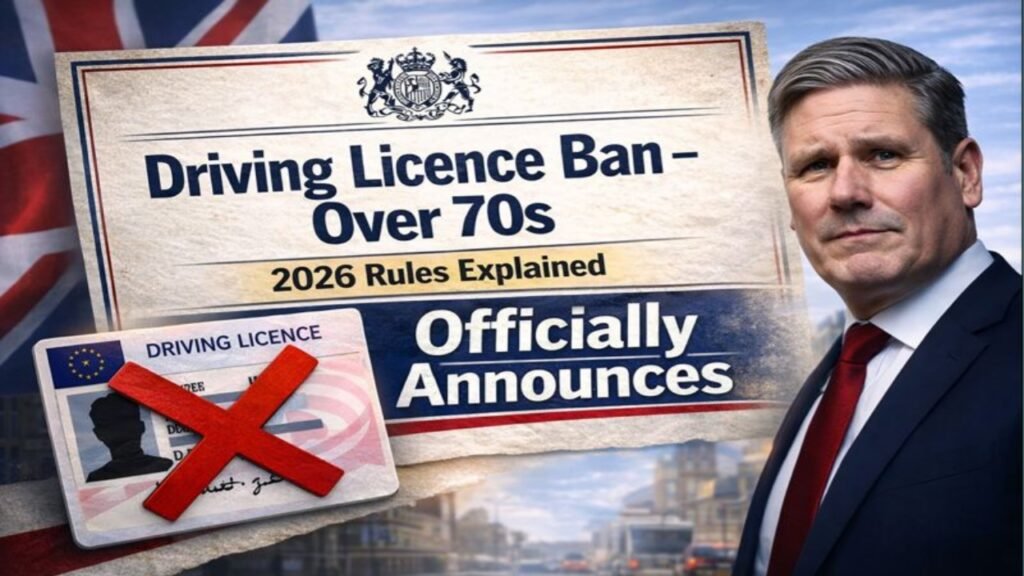
Hello Everyone, The UK government has officially confirmed new driving licence rules that will come into effect in 2026, directly affecting motorists aged 70 and above. While headlines have sparked concern about a so-called “driving ban”, the reality is more nuanced. These changes are part of a wider road safety strategy aimed at balancing independence with public safety. Older drivers remain a vital part of the UK’s driving community, and the government insists the rules are about assessment, not age-based punishment. Here is a clear, factual breakdown of what has been announced and what it really means.
Why the Government Is Changing the Rules
The decision follows years of road safety research showing that certain age-related medical conditions can impact reaction time, vision, and decision-making. With the UK’s ageing population growing rapidly, ministers say existing self-declaration rules are no longer sufficient. The goal is not to remove licences automatically but to introduce stronger checks where risk is identified. Officials have also highlighted rising accident costs and pressure on NHS emergency services as contributing factors behind the new approach.
Is This a Total Driving Ban?
Despite alarming headlines, the new 2026 rules do not introduce a blanket driving ban for everyone over 70. Instead, they focus on eligibility and medical fitness. Drivers who meet safety standards will still be able to drive legally. The government has been clear that age alone will not disqualify someone. However, those who fail to meet medical or assessment criteria may face licence suspension or revocation. This distinction is important and often missing from social media discussions around the announcement.
What Changes in 2026?
From 2026, drivers aged 70 and over will face stricter renewal requirements. Currently, licence renewal relies heavily on self-reporting medical conditions. Under the new rules, additional verification may be required in certain cases. This could include medical confirmation from a GP or further checks where DVLA identifies potential risks. The system aims to flag issues early rather than react after an accident has occurred, helping to protect both older drivers and other road users.
Strengthening Vision Standards and Testing
Ensuring that motorists maintain high standards of eyesight is a cornerstone of the 2026 update. Under the new framework, the DVLA will work more closely with opticians to ensure that vision certificates are current and accurate during the renewal window. If a driver has a history of degenerative eye conditions, they may be required to undergo a specialized field-of-vision test. This proactive measure is designed to ensure that all drivers can clearly identify hazards and read road signs at a distance, significantly reducing the likelihood of collisions caused by impaired sight.
Who Will Be Most Affected?
Not every driver over 70 will notice major changes. The rules primarily affect those with declared medical conditions or those flagged through DVLA records. Drivers with conditions affecting eyesight, mobility, or cognitive ability may be asked to provide extra documentation. Those in good health who meet legal driving standards are unlikely to see disruption. The government has stressed that the changes will be applied proportionately, focusing on safety rather than targeting older drivers unfairly.
Key Conditions Under Review
Under the new framework, DVLA will place greater emphasis on specific health conditions known to impact driving safety.
- Vision-related conditions such as glaucoma or severe cataracts
- Neurological conditions including dementia or Parkinson’s disease
- Serious cardiovascular issues affecting consciousness or reaction time
- Conditions that significantly reduce mobility or coordination These conditions are already monitored, but enforcement will become more structured under the 2026 rules.
Medical Checks Explained
Medical checks will not be mandatory for all over-70 drivers. Instead, checks will be triggered by declared conditions or concerns raised during renewal. In some cases, a GP confirmation may be sufficient. In others, a specialist report could be requested. The government has said it is working with NHS services to avoid unnecessary delays. Drivers will be given clear instructions and reasonable timeframes to provide required information before any licence decision is made.
DVLA’s Role in the New Rules
The DVLA will take a more proactive role in licence renewals for older drivers. Enhanced data matching and improved case reviews will help identify higher-risk cases earlier. Officials have confirmed that automated decisions will not replace human review. Each case will be assessed individually to ensure fairness. The DVLA will also increase communication with drivers, providing clearer guidance on requirements and next steps to reduce confusion during the renewal process.
What Happens If a Licence Is Refused?
If a licence is refused or revoked, drivers will have the right to appeal. The appeal process will remain independent and evidence-based. Temporary suspensions may be applied while medical information is reviewed, but permanent bans will only be used where driving is deemed unsafe. The government has confirmed that support and guidance will be provided to affected drivers, including information on alternative transport options and reassessment opportunities where health improves.
Support for Older Drivers
To reduce the impact of these changes, the government is expanding support schemes aimed at older motorists.
- Clearer DVLA guidance during renewal
- Access to voluntary driving assessments
- Information on local transport alternatives
- Advice on adapting vehicles where appropriate These measures are intended to help older drivers remain mobile and independent wherever it is safe to do so.
Reaction From the Public
Public reaction has been mixed. Road safety groups have welcomed the move, arguing it will reduce preventable accidents. However, some older drivers feel unfairly targeted and worry about losing independence. Motoring organisations have called for transparency and consistency in how the rules are applied. The government has responded by promising ongoing consultation and regular reviews to ensure the system remains fair and evidence-based.
How This Compares to Other Countries
Several European countries already apply stricter medical checks for older drivers. In some cases, mandatory testing begins at 70 or even earlier. The UK’s approach remains less restrictive than many international models. Officials argue that the new rules strike a balance between safety and personal freedom. By avoiding automatic age-based bans, the UK aims to remain aligned with equality principles while still addressing genuine safety concerns.
What Over-70 Drivers Should Do Now
Drivers approaching 70, or already over that age, are encouraged to stay informed and prepared. Keeping medical records up to date and reporting relevant conditions honestly will help avoid delays. Regular eyesight checks and health reviews can also make the renewal process smoother. The government has advised drivers not to panic and to wait for official DVLA communication before taking any action.
Impact on Families and Carers
Families and carers may also feel the effects of these changes. For some households, older drivers provide essential transport support. The government has acknowledged this and highlighted investment in community transport and local mobility schemes. Open conversations within families about driving ability and safety are encouraged. The new rules aim to support these discussions with clearer guidance and objective assessments rather than emotional or subjective decisions.
Conclusion
The 2026 driving licence changes for over-70s are not a blanket ban but a shift towards stronger safety checks. The UK government says the rules are about responsibility, not discrimination. Most healthy older drivers will continue driving as normal, while those at higher risk will receive closer assessment. With clearer guidance, medical support, and appeal rights, the system aims to protect lives while respecting independence on Britain’s roads.
Disclaimer: This article is for informational purposes only and is based on publicly available UK government announcements and guidance. Driving licence rules may change, and individual cases vary. Readers should always rely on official DVLA communications or seek professional advice for personal circumstances. The author does not provide legal or medical advice.