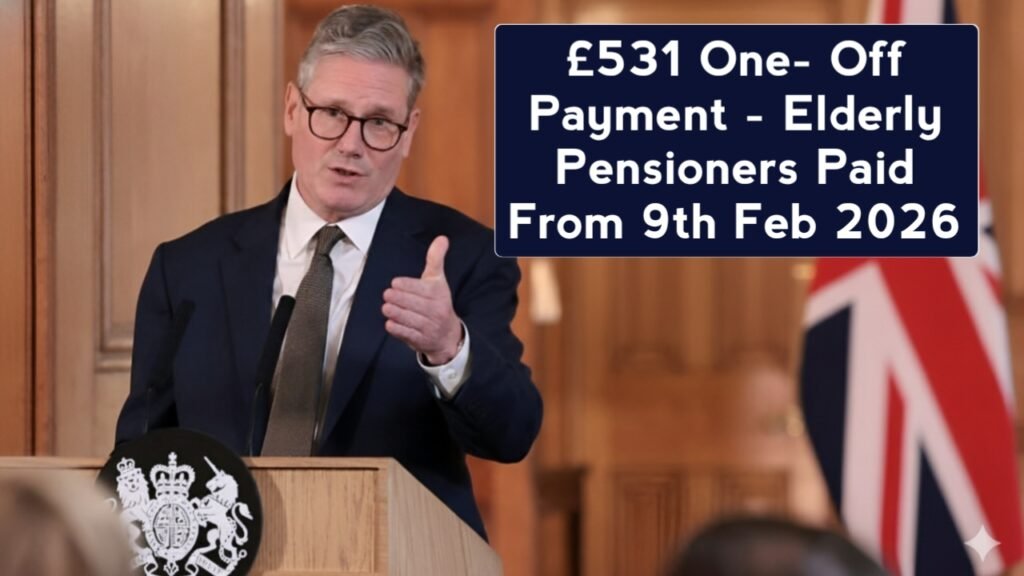
Hello Everyone, The Department for Work and Pensions (DWP) has officially confirmed a significant financial boost for elderly citizens across the United Kingdom. Starting from 9th February 2026, eligible pensioners will begin receiving a one-off payment of £531. This initiative is part of a broader government strategy to provide immediate relief to those on fixed incomes who are navigating the complexities of the current economic climate. For many, this lump sum represents a crucial buffer against rising utility costs and general inflation.
This payment arrives at a pivotal moment. Winter months often bring increased financial strain for the elderly, particularly regarding heating bills. By injecting these funds directly into the bank accounts of retirees, the DWP aims to ensure that the most vulnerable members of society do not have to choose between warmth and other essentials. The rollout is expected to be phased, meaning not everyone will see the funds on the very first day.
Eligibility Criteria for the £531 Payment
Understanding who qualifies for this £531 payment is essential to manage expectations. The DWP has clarified that the primary beneficiaries are those currently receiving the State Pension. However, eligibility often extends to those on specific low-income benefits such as Pension Credit. The department uses a “qualifying week” system to determine who is on the records. If you reached the state pension age before the end of 2025, you are likely within the scope of this new scheme.
It is important to note that this payment is distinct from the standard Winter Fuel Payment or the annual Christmas Bonus. It serves as an extraordinary measure to address specific economic pressures identified in the recent budget. While most payments are automatic, certain individuals who have recently moved or changed bank details may need to ensure their records are up to date. The DWP is working closely with HM Revenue and Customs to streamline the identification process.
Groups Likely to Receive the Payment
- State Pensioners: Individuals receiving either the New State Pension or the Basic State Pension.
- Pension Credit Claimants: Those on Guarantee Credit or Savings Credit.
- Disability Benefit Recipients: Pensioners also claiming Attendance Allowance or PIP.
- Widowed Parents: Elderly individuals receiving specific bereavement benefits.
When and How Will You Receive the Money?
The distribution phase officially kicks off on 9th February 2026. The DWP has opted for a direct-to-bank transfer method, which is the most secure and efficient way to reach millions of people. You do not need to apply for this payment if you are already receiving a state pension. The money will appear in your account with a specific reference code, often starting with “DWP” followed by a unique identifier related to the 2026 cost of living support.
While the 9th of February is the start date, the sheer volume of transactions means the process could take several weeks. If your neighbor receives theirs before you, there is no need for immediate concern. The DWP processes payments in batches based on National Insurance numbers or geographical regions. It is advised to monitor your bank statements closely throughout January. If the funds have not arrived by the end of the month, that is the appropriate time to contact the pension service.
Why Is This Payment Being Issued Now?
The decision to issue a £531 one-off payment stems from a detailed analysis of pensioner poverty and the “real-world” inflation rates affecting the elderly. While the Triple Lock ensures that pensions rise annually, there is often a lag between price hikes and income adjustments. This one-off payment acts as a bridge, providing liquidity when it is needed most. The UK government has faced pressure to provide more targeted support rather than broad-stroke tax cuts that may not benefit retirees.
Furthermore, the cost of social care and domestic assistance has seen a steady climb. For many elderly people living independently, these “hidden” costs can quickly deplete a monthly budget. By providing a £531 boost, the government is acknowledging the unique financial hurdles faced by those who are no longer in the workforce. It is a gesture of social security intended to maintain a minimum standard of living and dignity for the nation’s seniors during a challenging winter.
Impact on Other Benefits and Taxes
A common concern among pensioners is whether a “windfall” like this will affect their existing benefits or increase their tax liability. The DWP has confirmed that the £531 payment is tax-free. It will not count as income when calculating your eligibility for other means-tested benefits like Housing Benefit or Council Tax Support. This is vital because it ensures that the full value of the payment stays in the pocket of the pensioner, rather than being clawed back through other channels.
This “non-consequential” status is a standard feature of DWP one-off support packages. It allows the government to provide a “net” benefit to the household. For those who are just above the threshold for certain types of assistance, this money provides a way to handle emergency repairs or health-related expenses without jeopardizing their regular monthly income. It is essentially a “clean” payment meant solely for the benefit of the recipient’s welfare and financial stability. Tips for Managing the Extra Funds.
- Prioritize Utilities: Consider putting a portion toward your energy account to create a credit balance.
- Check Your Records: Ensure the DWP has your correct address to avoid any communication delays.
- Stay Alert for Scams: Remember that the DWP will never text or email asking for your bank details for this payment.
- Consult Local Support: If you are still struggling, look into local council “Household Support Funds” which can often be used alongside this DWP payment.
Protecting Yourself Against Pension Scams
Whenever the government announces a new payment, fraudsters unfortunately see an opportunity. It is crucial to remember that the £531 payment is automatic. You will never be asked to click a link in a text message to “claim” your money, nor will a DWP official call you asking for your PIN or password. These are common tactics used by scammers to gain access to your accounts. If you receive a suspicious communication, the best course of action is to delete it immediately.
If you are unsure about the legitimacy of a letter or call, you can contact the official Pension Service through the GOV.UK website. Reliable information is always available through official channels or recognized charities like Age UK. Being proactive about your digital safety is just as important as managing your finances. Always verify information through trusted news sources or direct government portals to ensure you are not being misled by sophisticated phishing attempts.
Conclusion
The announcement of the £531 one-off payment is a welcome development for millions of pensioners across the UK. Starting 9th February 2026, this financial injection will provide much-needed support during the coldest months of the year. By making the payment automatic and tax-free, the DWP has simplified the process, ensuring that help reaches those who need it without unnecessary red tape. As the rollout begins, staying informed and vigilant against scams will ensure that every eligible senior can make the most of this significant government support.
Disclaimer: This article is for informational purposes only and does not constitute financial or legal advice. Benefit eligibility and payment dates are subject to DWP policy changes. Always verify your specific situation via official GOV.UK sources or by contacting the DWP directly to ensure you receive the most accurate and up-to-date information regarding your entitlements.