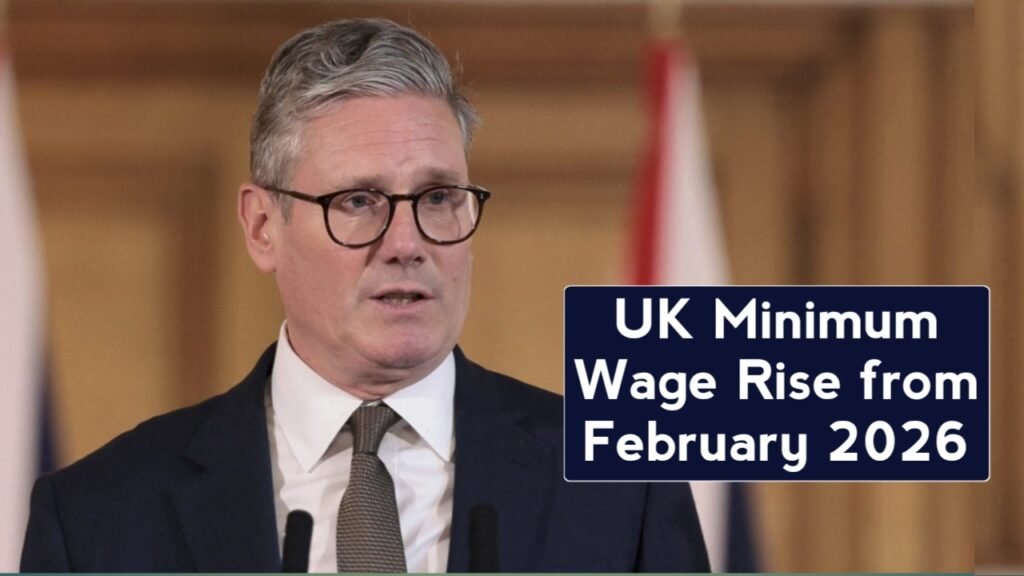
Hello Everyone, From February 2026, the UK government has confirmed a rise in minimum wage rates, offering financial relief to millions of workers across the country. This increase is part of a wider plan to help households cope with higher living costs, rising rents, and everyday expenses. Employees across different age groups and job types will see changes in their hourly pay. The update applies to England, Scotland, Wales, and Northern Ireland, making it a nationwide adjustment. For many workers, this change means better monthly income and improved financial stability.
Why the Wage Increase Matters
The cost of living in the UK has steadily increased over recent years, affecting essentials such as food, transport, and energy bills. A minimum wage rise helps low-income workers manage these pressures more effectively. For younger employees and part-time workers, even a small hourly increase can make a noticeable difference over a month. Employers are also expected to adjust payroll systems accordingly. Overall, this move reflects the government’s intention to balance economic growth with fair pay across the workforce.
Updated Minimum Wage Rates
The new minimum wage rates introduced from February 2026 vary depending on age and employment status. These rates aim to support both experienced workers and those entering the job market. While the National Living Wage applies mainly to older workers, younger employees also benefit from revised rates. Apprentices are included as well, ensuring fair compensation during training periods. The government has stated that these rates were reviewed carefully to reflect economic conditions and employer capacity. Updated rates include:
- National Living Wage for workers aged 21 and over
- Separate minimum wage bands for ages 18–20 and under 18
- A revised apprentice minimum wage
Support for Small Businesses and Productivity
To balance the impact of these higher wage requirements, the 2026 update includes new government support packages for small and medium-sized enterprises (SMEs). Recognizing that increased labour costs can be challenging for local businesses, officials have introduced temporary National Insurance credits for eligible employers. Alongside these financial reliefs, there is a push for enhanced workplace productivity through government-funded digital training grants. This ensures that while workers receive better pay, businesses are given the tools and resources necessary to grow and remain competitive in an evolving economic landscape.
Age-Based Pay Structure
Age remains a key factor in determining minimum wage levels in the UK. Workers aged 21 and above receive the highest hourly rate under the National Living Wage system. Younger workers receive slightly lower rates, reflecting training and entry-level opportunities. However, the February 2026 increase ensures that all age groups see some level of improvement. This structured approach aims to encourage employment opportunities for young people while still protecting fair pay standards.
Impact on Full-Time Workers
Full-time employees earning minimum wage will notice the biggest difference in their monthly income. A higher hourly rate means improved take-home pay, especially for those working 35 to 40 hours a week. This increase can help cover rising rent, council tax, and transport costs. Many workers may also find it easier to manage savings or emergency expenses. For households relying on a single income, this rise offers some breathing space amid ongoing financial pressures.
Part-Time and Zero-Hour Workers
Part-time and zero-hour contract workers also benefit from the February 2026 wage rise. Although they work fewer hours, the increased hourly rate still improves overall earnings. This is particularly helpful for students, carers, and individuals balancing multiple jobs. For zero-hour workers, every shift becomes slightly more valuable financially. The change also encourages fairer compensation across flexible work arrangements, which are increasingly common in the UK labour market.
Apprentices and Trainees
Apprentices play a vital role in the UK workforce, and the updated minimum wage reflects their importance. While apprentice rates remain lower than standard wages, the February 2026 rise offers better financial support during training. This helps young people cover travel, meals, and basic living costs while gaining skills. Employers are encouraged to see apprenticeships as long-term investments rather than low-cost labour. Improved pay can also make apprenticeships more attractive to new entrants.
Who Is Eligible
Eligibility for the new minimum wage rates depends on age, employment status, and contract type. Most workers legally employed in the UK qualify for the updated rates. This includes temporary staff, agency workers, and apprentices. Employers must ensure correct classification of employees to avoid underpayment. Workers are advised to check their payslips from February 2026 onwards to confirm compliance. If discrepancies appear, employees have the right to raise concerns without fear of unfair treatment. Eligible workers generally include:
- Full-time and part-time employees
- Apprentices under approved schemes
- Agency and temporary workers
Employer Responsibilities
UK employers are legally required to implement the new wage rates from the effective date. Payroll systems must be updated, and contracts may need adjustment. Failure to comply can result in penalties, fines, and reputational damage. Employers are also expected to communicate changes clearly to staff. Transparent pay practices help build trust and improve workplace morale. For small businesses, planning ahead is essential to manage costs while meeting legal obligations.
How Workers Can Check Pay
Employees should regularly review their payslips to ensure they are receiving the correct minimum wage. Comparing hourly rates with official government guidance is a good starting point. Workers can also use online wage calculators provided by UK authorities. If underpayment is suspected, the issue can be raised internally or reported confidentially. Knowing your rights is crucial, and support services are available to guide workers through the process.
Wider Economic Impact
The minimum wage rise may have broader effects on the UK economy. Increased wages can boost consumer spending, supporting local businesses. At the same time, some employers may face higher operating costs. Economists suggest that balanced wage growth helps maintain employment levels while improving living standards. The February 2026 increase is designed to support workers without placing excessive strain on businesses, especially during a period of economic adjustment.
Conclusion
The UK minimum wage rise from February 2026 is a positive step for workers across all age groups and job types. It offers meaningful financial support during a time of rising living costs and economic uncertainty. By improving hourly pay, the government aims to protect low-income workers while maintaining a fair labour market. Employees should stay informed, check their payslips, and understand their rights to fully benefit from this important update.
Disclaimer: This article is for informational purposes only and reflects publicly available policy announcements at the time of writing. Minimum wage rates, eligibility rules, and implementation details may change. Readers are advised to consult official UK government sources or seek professional advice for the most accurate and up-to-date information regarding employment and wage regulations.