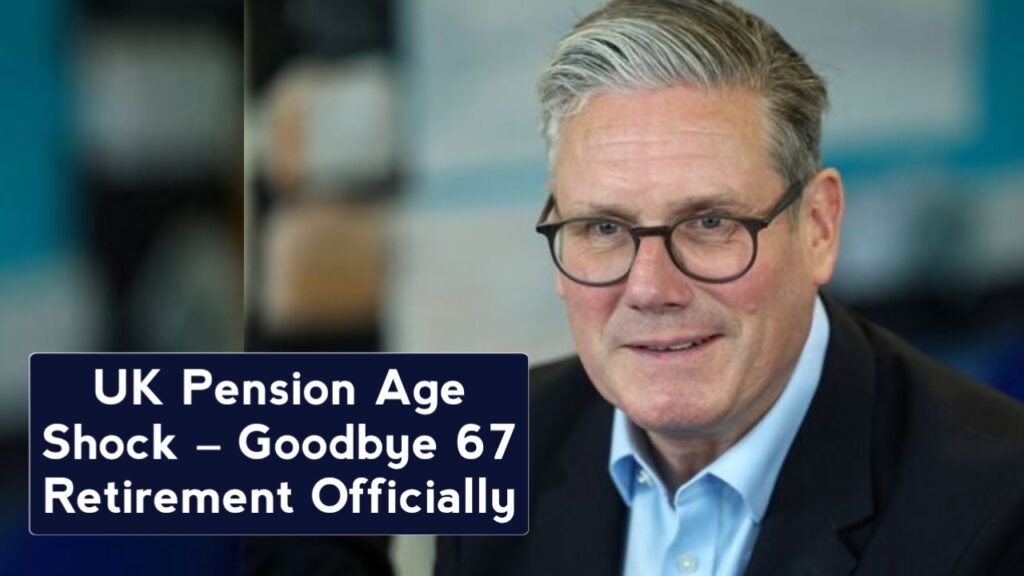
Hello Everyone, The phrase “Goodbye 67 retirement” has sparked intense discussion across the UK, as reports suggest major changes to the State Pension age framework. For years, turning 67 has been widely viewed as the key retirement milestone for millions of workers. This announcement signals that long-standing expectations may no longer apply in the same way. With demographic pressures, longer life expectancy, and rising public spending, the government has been reassessing how and when State Pension access should work. As a result, many people are now questioning their retirement timelines.
Why Pension Age Is Changing
The UK pension system faces growing strain due to an ageing population and fewer working-age contributors supporting retirees. When the State Pension age was first introduced, life expectancy was significantly lower than it is today. Modern retirees are often drawing pensions for decades rather than years. This shift places sustained pressure on public finances. Government reviews have repeatedly highlighted the need for reform to keep the system sustainable. Raising or restructuring pension age thresholds is seen as one way to balance fairness between generations.
Goodbye 67 Explained
Saying goodbye to a fixed 67 retirement age does not necessarily mean everyone must suddenly work far longer. Instead, it suggests a move away from treating 67 as a guaranteed or permanent benchmark. Future pension access may become more flexible or phased, depending on birth year, employment history, or policy updates. For many UK workers, this creates uncertainty, particularly for those who have planned their finances around retiring at a specific age. Clear communication will be essential to avoid confusion and anxiety.
Who Is Most Affected
The biggest impact is likely to fall on people currently in their 40s and 50s. These groups are close enough to retirement to be concerned, yet far enough away to still be affected by new rules. Younger workers may see even greater changes over time, as reforms introduced now shape future decades. Meanwhile, those already receiving the State Pension are unlikely to see changes to their payments. The focus remains firmly on future retirees rather than current pensioners.
Key Reasons Behind the Decision
Government reviews have pointed to several pressures influencing the decision to move beyond a fixed retirement age. These factors are often discussed in official reports and policy briefings.
- Rising life expectancy across the UK population
- Increasing costs of funding State Pension payments
- Fewer workers supporting more retirees
- Long-term sustainability of public finances
Together, these issues have pushed policymakers toward reconsidering traditional retirement milestones.
Mid-Life MOTs and Career Longevity Support
In response to these shifting milestones, the government is expanding “Mid-Life MOT” programs designed to help workers in their 40s and 50s assess their health, skills, and finances. These initiatives aim to support career longevity by providing retraining opportunities and encouraging employers to adopt more age-inclusive hiring practices. By focusing on health and professional development mid-career, the policy seeks to ensure that if retirement is delayed, workers are physically and mentally prepared to remain in the workforce. This proactive approach is intended to mitigate the stress of a longer working life by making those extra years more productive and manageable.
Impact on Retirement Planning
For many households, retirement planning has been built around the assumption of State Pension access at 67. Changes to this expectation may require people to rethink savings goals, workplace pension contributions, and retirement dates. Some may choose to work longer, while others might increase private pension saving to maintain flexibility. Financial planning is becoming more important than ever, particularly for those without generous workplace schemes. The shift highlights the growing need for personal responsibility in retirement preparation.
What Happens to Workplace Pensions
Workplace pensions are separate from the State Pension, but the two are closely linked in people’s planning. If State Pension access is delayed or restructured, workers may rely more heavily on employer schemes in the early years of retirement. This could influence when people choose to stop working or reduce hours. Employers may also need to adapt, as an ageing workforce remains in employment for longer. Flexible working arrangements could become increasingly important in this new retirement landscape.
Government Position So Far
Officially, the government maintains that pension age decisions are guided by regular reviews and evidence. These reviews assess affordability, fairness, and demographic trends. While headlines may sound dramatic, changes are usually introduced gradually, with long notice periods. This allows individuals time to adjust their plans. However, the lack of a single fixed retirement age does represent a shift in thinking. It reflects a move toward adaptability rather than one-size-fits-all policy.
Public Reaction Across the UK
Public response to the news has been mixed. Some people accept that longer working lives are inevitable given modern life expectancy. Others feel frustrated, particularly those in physically demanding jobs who worry about their ability to work into later life. Trade unions and advocacy groups have raised concerns about fairness, especially for lower-income workers. The debate highlights a wider conversation about how society values work, rest, and security in older age.
Possible Future Scenarios
While no single model has been confirmed, several possible approaches are being discussed by experts and commentators. These ideas reflect broader trends seen in other countries.
- Gradual increases linked to life expectancy
- Flexible retirement ages with adjusted pension amounts
- Earlier access for certain professions or health conditions
Any future system is likely to balance flexibility with financial sustainability.
What Workers Should Do Now
Uncertainty can feel uncomfortable, but it also provides an opportunity to review personal plans. UK workers are increasingly encouraged to engage with their pensions earlier and more actively. Checking pension forecasts, understanding workplace contributions, and considering additional savings can all help build resilience. Seeking professional financial guidance may also be valuable, especially for those nearing retirement age. Taking small steps now can reduce stress and improve options later.
Effect on Younger Generations
Younger workers may be the most affected over the long term, even if the changes feel distant. A less predictable retirement age means relying less on assumptions and more on ongoing planning. Many younger people already expect to work longer than previous generations. This shift may reinforce trends such as career changes later in life, flexible retirement, and continued part-time work. While challenging, it may also encourage more adaptable and personalised retirement paths.
Media and Headline Language
Headlines like “Goodbye 67 retirement” are designed to grab attention, but the reality is often more nuanced. Policy changes usually happen gradually and with safeguards. However, such headlines do reflect genuine shifts in direction. The idea of a fixed, universal retirement age is becoming less certain. Understanding the difference between headline language and policy detail is crucial for making informed decisions rather than reacting out of fear.
Long-Term Outlook
Looking ahead, the UK pension system is likely to continue evolving. Economic pressures, health trends, and workforce changes will all influence future decisions. Rather than focusing on a single number, retirement may increasingly be seen as a transition rather than a moment. This could bring challenges, but also greater flexibility. For many, adapting to this new mindset will be as important as the policy changes themselves.
Conclusion
The “UK Pension Age Shock” and the idea of saying goodbye to a fixed 67 retirement mark a significant shift in how retirement is viewed. While change brings uncertainty, it also highlights the importance of proactive planning and flexibility. By staying informed and engaged, UK workers can better navigate an evolving pension landscape and prepare for a more adaptable retirement future.
Disclaimer: This article is for general informational purposes only and does not constitute financial or legal advice. Pension rules and State Pension age policies may change following official government reviews. Readers should consult official UK Government sources or qualified advisers for personalised guidance and the most up-to-date information.