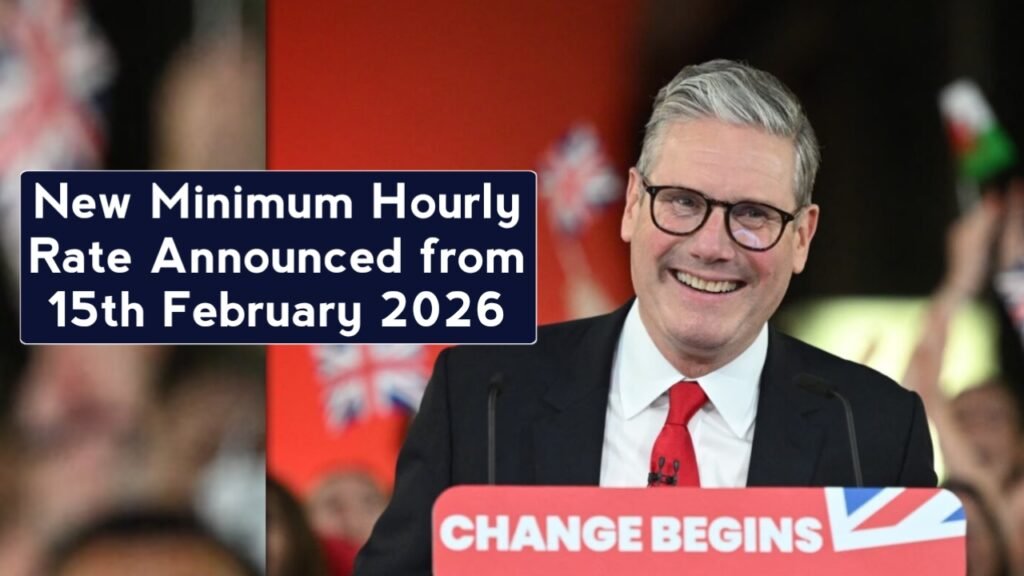
Hello Everyone, The announcement of a new minimum hourly wage from 15th February 2026 has sparked strong reactions across the UK. For many workers, this update comes at a time when household budgets remain tight and living costs continue to pressure everyday spending. The change is being viewed as a major shift in wage policy, especially for lower-income earners. While some welcome the increase as overdue support, others are questioning how it will affect jobs, businesses, and long-term economic stability.
Why the Wage Is Changing
The UK Government has stated that the decision follows months of economic review and consultation with wage experts. Rising food prices, energy bills, and housing costs have made existing pay levels increasingly difficult to live on. Officials believe adjusting the minimum hourly rate is necessary to reflect real living conditions. The move also aligns with long-term goals of improving work incentives and reducing reliance on state support for working households.
Who Will Benefit Most
The updated wage rate is expected to benefit millions of workers across the UK, particularly those in retail, hospitality, care services, and cleaning roles. Part-time staff and younger workers are also likely to notice the difference in their monthly income. For families depending on one or two modest wages, even a small hourly increase can bring meaningful relief. However, the exact impact will vary depending on hours worked and individual circumstances.
Key Details of the Update
The new minimum hourly rate applies from mid-February rather than the usual April change, which has caught many by surprise. Employers are being advised to prepare payroll systems in advance to avoid errors or delays.
- The new rate becomes legally binding from 15th February 2026
- Applies across England, Scotland, Wales and Northern Ireland
- Covers eligible workers under UK minimum wage laws
- Non-compliance may result in penalties for employers
This earlier start date is one of the most notable aspects of the announcement.
Impact on Monthly Pay
For workers paid hourly, the increase could translate into noticeable monthly gains. Those working full-time hours may see higher take-home pay, helping to offset everyday expenses. For part-time workers, the boost may be smaller but still meaningful. Many employees are already calculating how the new rate could affect rent payments, transport costs, or grocery budgets. The psychological impact of feeling more financially secure is also being widely discussed.
Employers’ Response
Small businesses across the UK have expressed mixed feelings about the change. While many support fair pay, some worry about rising wage bills during a period of economic uncertainty. Employers in sectors with thin profit margins may need to adjust staffing, prices, or working hours. Larger companies are expected to adapt more easily, but smaller firms are urging the government to offer guidance and support during the transition period.
Cost of Living Pressures
The wage update cannot be separated from the wider cost of living situation in the UK. Energy prices, council tax, and everyday essentials continue to stretch incomes. While the new minimum wage may not solve all financial challenges, it is seen as a step toward easing pressure. Many workers feel that wages have struggled to keep pace with inflation, making this increase feel necessary rather than generous.
Legal Rights for Workers
Employees are legally entitled to receive at least the minimum hourly rate set by law. From February 2026, workers who are paid below the new rate will have the right to raise concerns. Employers who fail to comply may face enforcement action. Workers are encouraged to check payslips carefully and keep records of hours worked. Understanding basic employment rights is essential during periods of wage change.
What Employers Must Do
Businesses are being reminded to act early to avoid last-minute issues. Updating contracts, payroll systems, and internal policies is essential before the February deadline.
- Review current pay rates for all eligible staff
- Update payroll software and payment schedules
- Communicate changes clearly with employees
- Seek professional advice if unsure about compliance
Preparation is key to ensuring a smooth transition for both employers and staff.
Effect on Younger Workers
Younger workers, including those new to the workforce, are likely to feel the impact of the new wage rules. Many rely on minimum-pay roles while studying or gaining experience. A higher hourly rate could reduce the need for multiple jobs or excessive overtime. However, some employers may respond by limiting hours offered, making flexibility an important issue for younger employees.
Public Reaction Across the UK
Public reaction has been divided but vocal. Worker advocacy groups have welcomed the change, calling it a positive move toward fair pay. Business organisations, meanwhile, have urged caution, warning of possible knock-on effects. Social media discussions reflect a mix of relief, optimism, and concern. Overall, the announcement has placed wages firmly back at the centre of national conversation.
Long-Term Economic Effects
Economists suggest the long-term impact will depend on how businesses and consumers respond. Higher wages can increase spending power, potentially boosting local economies. At the same time, businesses may pass on costs through higher prices. The balance between improved incomes and inflation will be closely watched throughout 2026, making this wage change an important economic moment for the UK.
What Workers Should Do Now
Workers are advised to stay informed and proactive ahead of February. Checking employment contracts and understanding pay structures can help avoid confusion. Employees should feel confident asking employers about how and when the new rate will be applied. Being prepared ensures workers receive what they are legally entitled to without unnecessary stress or delays.
Conclusion
The new UK minimum hourly wage announced for 15th February 2026 represents a significant moment for workers and employers alike. While it brings welcome relief for many households, it also raises challenges for businesses navigating rising costs. How effectively this change improves everyday life will depend on fair implementation, clear communication, and continued economic stability across the UK.
Disclaimer: This article is for general information purposes only and does not constitute legal, financial, or employment advice. Wage rates, eligibility rules, and enforcement policies may change. Always refer to official UK Government guidance or seek professional advice for up-to-date and personalised information regarding employment and pay.