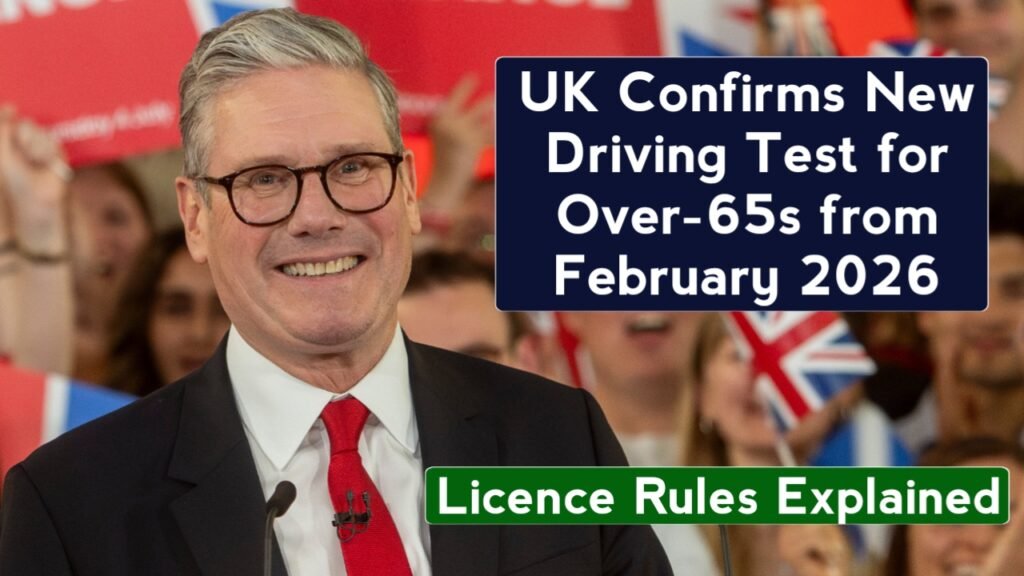
Hello Everyone, The UK Government has confirmed important changes to driving licence rules affecting motorists aged over 65, with new measures due to begin from February 2026. The announcement has sparked widespread discussion, particularly among older drivers who rely on their cars for independence and daily life. While the changes are not designed to penalise age, they aim to improve road safety as the UK’s population continues to age. Officials say the updated process focuses on ability rather than years, offering reassurance that safe and experienced drivers will still be able to stay on the road.
Why the Rules Are Changing
Road safety data shows that while many older drivers are highly experienced, age-related changes such as slower reaction times or reduced eyesight can affect driving ability. The government believes that updating licence checks will help identify issues earlier and prevent accidents. The goal is not to remove licences unfairly, but to ensure all drivers remain fit to drive. With more people living longer and staying active well into later life, policymakers argue that existing rules no longer reflect modern driving realities across the UK.
Mandatory Eyesight Consultations: The 2026 Road Safety Strategy
In January 2026, the Department for Transport (DfT) officially launched a major consultation regarding mandatory eyesight testing for older drivers. Currently, motorists aged 70 and over only need to “self-declare” that they meet the minimum eyesight standards when renewing their licence every three years. However, under the new Road Safety Strategy proposals, the government is considering moving away from self-declaration toward mandatory, professional vision assessments at each renewal.
This shift follows data indicating that age-related vision decline is a significant factor in road incidents. If implemented, drivers would need to provide proof of a passed eye test from a qualified optician before the DVLA issues a renewed photocard, ensuring that “fitness to drive” is verified by medical evidence rather than personal estimation.
Who Will Be Affected
The new rules will apply specifically to drivers aged 65 and over, but not all motorists in this age group will face the same requirements. The focus is on creating a fair system that reflects individual health and driving ability. Some drivers may notice little change, while others could be asked to complete additional steps when renewing their licence. Importantly, the government has stressed that these updates are preventative rather than punitive, aiming to support safer driving for everyone using UK roads.
What the New Driving Test Involves
The term “new driving test” has caused concern, but it does not mean every over-65 driver will need to retake a full practical test. Instead, the process is expected to involve targeted assessments linked to health and driving safety.
- Medical self-declaration with clearer questions
- Possible eyesight or reaction checks
- GP or specialist input in certain cases
- DVLA review based on individual risk
These steps are intended to be proportionate and practical, not overly burdensome.
How Licence Renewal Will Change
Currently, UK drivers renew their licence at 70 and then every three years. Under the new approach, drivers over 65 may see enhanced checks introduced earlier, depending on circumstances. Renewal will still be handled by the DVLA, but with updated guidance and clearer instructions. Officials say the aim is to make the process more transparent, reducing confusion for older motorists. For many drivers in good health, renewal may remain straightforward, with minimal additional requirements beyond existing procedures.
Role of Medical Assessments
Medical fitness plays a central role in the updated rules. Certain conditions such as vision problems, cognitive impairment or mobility issues may trigger further review. However, having a medical condition does not automatically mean losing a licence. The DVLA will continue to assess cases individually, often relying on professional medical advice. This approach recognises that many people manage health conditions well and can drive safely for years. The emphasis remains on safety, not age alone, as the deciding factor.
What the DVLA Has Said
The DVLA has confirmed that communication with older drivers will improve ahead of the February 2026 changes. Clearer letters, simpler forms and better online guidance are planned to help drivers understand what is required. The agency has acknowledged that past processes caused anxiety for some pensioners. By updating its systems, the DVLA aims to reduce stress and ensure drivers know exactly where they stand. Officials have also highlighted that support will be available for those who need help completing forms.
Key Dates to Know
Timing is crucial for drivers approaching renewal age. The confirmed start date allows motorists time to prepare and understand the changes.
- New rules take effect from February 2026
- Existing licences remain valid until renewal
- DVLA will contact drivers before expiry
- No immediate action needed unless notified
Drivers are advised to check their licence expiry date and stay informed through official channels.
Impact on Independence
For many older people, driving is about far more than convenience. It supports independence, social connection and access to essential services. The government says it recognises this and has no intention of forcing capable drivers off the road. By focusing on health and ability, the updated rules aim to balance independence with public safety. Campaigners have welcomed reassurance that older drivers will be treated fairly, with decisions based on evidence rather than assumptions about age.
Public Reaction and Concerns
Reaction to the announcement has been mixed. Some welcome the changes as a sensible step to improve safety, while others worry about added stress for older drivers. Concerns have also been raised about access to medical appointments and potential delays. The government has responded by promising a phased introduction and clear guidance. Ministers insist the system will remain practical and humane, with appeals and reviews available where drivers disagree with DVLA decisions.
Conclusion
The confirmed changes to driving licence rules for over-65s mark a significant update to how the UK approaches road safety and ageing drivers. With new assessments starting from February 2026, the focus will shift toward health and ability rather than age alone. For most older motorists, the changes are expected to be manageable and fair. Staying informed, responding to DVLA communications and seeking advice when needed will help drivers navigate the transition with confidence and peace of mind.
Disclaimer: This article is for informational purposes only and does not provide legal or medical advice. Driving licence rules, DVLA procedures and government policies may change. Readers should always check official UK Government or DVLA sources or consult a qualified professional before making decisions related to driving or licence renewal.