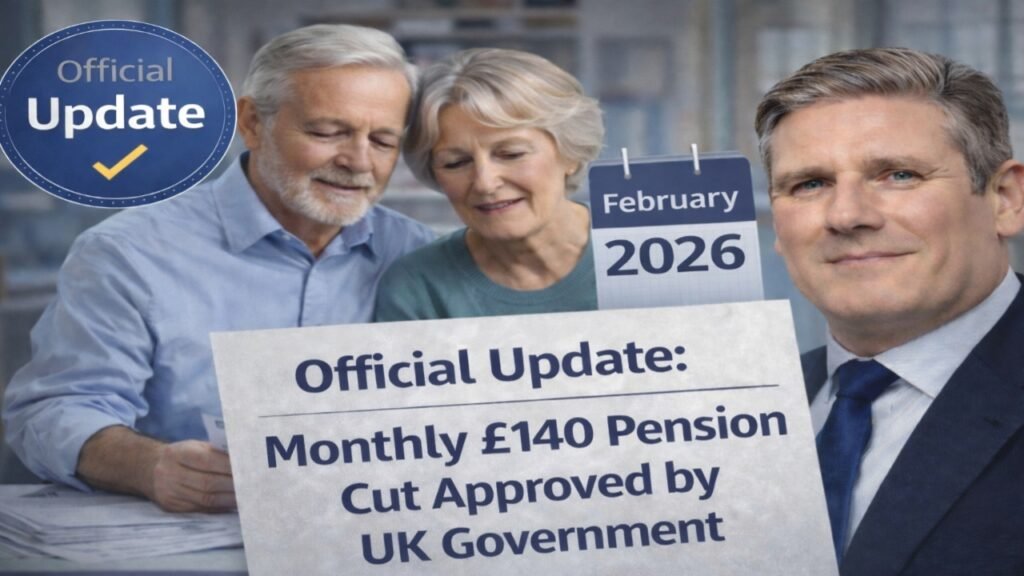
Hello Everyone, The UK Government has officially approved a new pension adjustment that will see some pensioners facing a reduction of up to £140 per month. This announcement has created concern among older citizens, especially those already struggling with the rising cost of living. While the government describes the move as a “technical correction,” many pensioners see it as a direct cut to their income. The change mainly affects specific groups and does not apply to everyone, but its financial impact could still be significant for thousands of households across the UK.
What Is the £140 Pension Cut?
The so-called £140 pension cut is not a blanket reduction for all pensioners. Instead, it relates to adjustments in certain payments, particularly where overpayments or reassessments have been identified. In practical terms, some pensioners may see their monthly income reduced after a review of their entitlement. The government argues that these changes ensure fairness in the system, but critics say it places additional pressure on vulnerable groups who rely heavily on their pension for everyday living.
Why Has the Government Approved This?
According to official sources, the main reason behind this decision is to correct long-standing errors and align payments with current eligibility rules. Over the years, many pension records were found to be inaccurate due to outdated information. The Department for Work and Pensions (DWP) has been reviewing these cases and adjusting payments accordingly. While the policy aims to make the system more accurate, it has raised serious questions about timing, especially during a period of high inflation and energy costs.
Who Will Be Affected?
Not all pensioners will face this reduction. The changes mainly apply to individuals whose circumstances no longer match their original entitlement. This includes pensioners who may have received additional support in the past but are no longer eligible under updated rules.
Key groups likely to be affected include:
- Pensioners with changes in household income or savings.
- Those receiving certain top-up benefits that are being reassessed.
- Individuals with incorrect or outdated records in DWP systems.
Navigating the DWP Review and Notification Process
To manage this transition, the DWP has launched a specialized review unit tasked with auditing high-priority cases where discrepancies have been flagged. Pensioners affected by the £140 adjustment will receive a “Notification of Change” letter at least four weeks before the reduction takes effect. This document is designed to provide a transparent breakdown of the correction, explaining the specific data—such as updated savings thresholds or partner income—that led to the revision. Furthermore, the government has established a dedicated telephone helpline to assist seniors in deciphering these notices, ensuring that they understand the administrative reasoning behind the shift and are aware of the timelines involved for any subsequent appeals.
How Much Is £140 in Real Terms?
For many pensioners, £140 per month represents a substantial portion of their disposable income. Over a year, this amounts to £1,680, which could cover essential costs such as heating, council tax, or groceries. With food and energy prices still high across the UK, even a smaller reduction can significantly affect daily life. Many pensioners live on fixed incomes, meaning they have little room to absorb such losses without cutting back on basic needs.
Government’s Official Statement
The UK Government has stated that this decision is part of a broader effort to ensure the pension system remains fair and sustainable. Officials argue that public funds must be distributed accurately and responsibly. They also claim that affected pensioners will be informed in advance and given explanations regarding their new payment levels. However, campaigners say the communication has not been clear enough and that many pensioners are only learning about changes when their payments suddenly drop.
Reaction from Pensioners
Public reaction has been largely negative, with many pensioners expressing anger and confusion. Some say they were never warned about possible reductions and had already budgeted their finances based on previous amounts. Pensioner advocacy groups have received a surge in complaints and calls for help. For older people living alone, even a small drop in income can lead to serious stress and anxiety, particularly when managing rent, utilities, and medical costs.
Impact on Cost of Living
This pension cut comes at a time when the cost of living remains one of the biggest challenges in the UK. Energy bills, food prices, and transport costs have all increased over the past few years. Pensioners are among the most affected groups because they cannot easily increase their income. Losing £140 per month could force many to make difficult choices between heating their homes properly or reducing spending on food and healthcare.
What Support Is Available?
Although the cut has been approved, there are still support options available for affected pensioners. The government encourages individuals to check their eligibility for additional benefits or discounts.
Some support measures include:
- Pension Credit for low-income pensioners.
- Council tax reductions depending on local authority rules.
- Winter Fuel Payments and Cold Weather Payments.
These schemes can help reduce the overall financial burden, but they may not fully replace the lost income.
Can Pensioners Appeal the Decision?
Yes, pensioners have the right to challenge any reduction if they believe it is incorrect. The DWP allows individuals to request a review of their case. This involves providing updated financial information and, in some cases, evidence of hardship. While the appeal process exists, many find it complicated and time-consuming. Advocacy organisations often recommend seeking independent advice before starting an appeal, especially for those unfamiliar with government procedures.
Political Response and Criticism
Opposition parties have strongly criticised the decision, calling it unfair and poorly timed. They argue that pensioners should not be made to pay for administrative errors or budget pressures. Some MPs have demanded a pause on the policy, at least until a full impact assessment is published. The issue has also been raised in Parliament, with calls for greater transparency and improved communication with those affected.
Long-Term Implications
In the long term, this policy could set a precedent for further adjustments to pension payments. As the population ages and public spending comes under pressure, more reviews of entitlement are likely. While accuracy in the system is important, repeated cuts may erode trust in government support for older citizens. Many fear that similar changes could follow in the future, affecting even larger groups of pensioners.
What Should Pensioners Do Now?
Experts recommend that pensioners carefully review any letters or notifications from the DWP. It is important to understand exactly why a payment has changed and whether the decision is correct. Keeping financial records up to date can help avoid unexpected issues. Those struggling financially should seek advice from organisations such as Citizens Advice or Age UK, which offer free and confidential guidance.
Conclusion
The approval of a £140 monthly pension cut by the UK Government has caused widespread concern among pensioners and advocacy groups. While the policy is presented as a correction rather than a universal cut, its real-world impact could be severe for many older citizens. At a time of rising living costs, even small reductions can significantly affect quality of life. Clear communication, fair assessments, and accessible support will be essential to ensure pensioners are not left facing unnecessary hardship.
Disclaimer: This article is for informational purposes only and does not constitute financial or legal advice. Pension rules and eligibility may vary based on individual circumstances. Readers are advised to consult official UK government sources or seek independent professional advice before making financial decisions.